
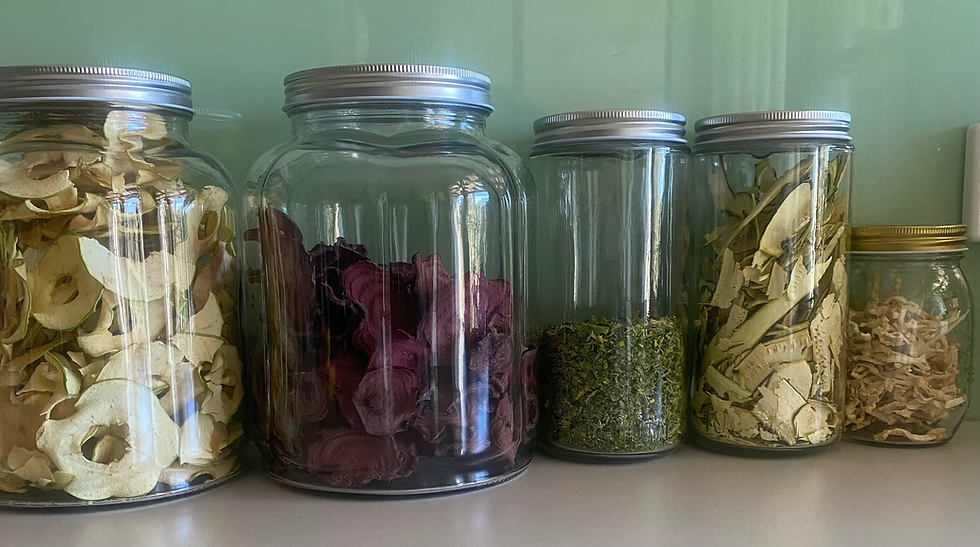
Ingredients in VegiBread
Gluten-Free Bread Mix
Why Ingredients Matter
GF bread often relies on different flours, starches and binders to achieve texture and structure.
VegiBread combines real vegetables with carefully selected ingredients to create quick, single-serve bread ready in minutes.
VegiBread Main Vegetables
Zucchini
(For softness & moisture)
Zucchini helps create the soft, fluffy texture VegiBread is known for. Its mild flavour makes it the perfect base for a gluten-free bread mix, keeping each serve light and satisfying.
Beetroot
(For colour & nourishment)
Beetroot brings a rich colour and subtle earthy flavour, while adding to the overall nutritional value of this vegetable-based bread.
Spinach
(For a boost of greens)
Spinach blends seamlessly into the mix, adding extra greens and making VegiBread a simple way to enjoy more vegetables in your everyday meals.
Carrots
(For natural sweetness)
Carrots add a gentle, natural sweetness that balances the savoury flavours, making VegiBread a delicious healthy bread alternative without added sugar.
Red Capsicum
(For flavour depth)
Roasted red capsicum delivers a slightly sweet, flavour that enhances the taste and adds depth to this gluten-free savoury bread.
Garlic
(For savoury richness)
Garlic adds a warm, comforting flavour that makes VegiBread perfect for pairing with meals, toppings, or enjoying on its own.
Onion
(For natural sweetness & balance)
Slow cooked onion brings a subtle sweetness and depth, helping create that familiar, comforting flavour you expect from fresh bread—without the gluten.
Celery
Celery adds a subtle savoury note and contributes to the depth of flavour in VegiBread. Its natural characteristics help complement the vegetable blend, creating a balanced and satisfying gluten-free bread mix.
Eggplant
Eggplant contributes to the rich vegetable profile of VegiBread while helping create a soft texture and hearty feel. Its mild flavour blends well with other ingredients, adding depth without overpowering the finished bread.
Gluten-free Flour Blend
Gluten-free flours (Maize, Rice), Gluten-free starches (Tapioca, Maize,), Psyllium Husk, Guar Gum, Xantham Gum, Raising Agent (450, 500), Thickeners 464, 466), Anti-Caking Agent (470, 551)
A bit about the vegetables used in our easy gluten-free bread mixes
I love supporting local growers, so whenever we can, we source the bulk of our veggies from Aussie farmers — mainly from Farmers Markets across southern NSW and northern to central Victoria.
We also purchase from Fruit/Veggie shops and local supermarkets.
We also focus on using veggies that are not suited for market due to odd shapes or smaller sizing from local farms.
To date, we have saved almost 1000KG;s from going to waste, this year we hope to double that.
On occasion, some of our produce may be derived from overseas due to seasonal productivity. We do try to minimise this by dehydrating more seasonal produce in bulk amounts. It is a fine balancing act, but as we grow we will get better at managing this.
Some of our product comes from overseas in powder form and includes a small amount of anti-caking agent (470/551) to keep the mix smooth and easy to use.
Frequently Asked Questions About
Gluten-Free Bread Ingredients
Gluten helps traditional bread hold together and gives it structure and elasticity. Because gluten-free bread doesn’t contain gluten, ingredients such as gums may be used to help improve texture, retain moisture and prevent the bread from becoming crumbly.
In gluten-free baking, gums can help create a softer texture and improve how the bread holds together during cooking.
Why are gums used in gluten-free bread?
Why does gluten-free bread need starch?
Starches are often used in gluten-free bread to help create a lighter texture and improve structure. Without gluten, bread can become dense or dry, so starches may assist with softness, moisture retention and overall consistency.
Combined with gluten-free flours and raising agents, starches help create bread that is easier to cook and more enjoyable to eat.
Does dehydrating vegetables reduce nutrients?
Dehydrating vegetables can reduce some heat-sensitive nutrients, particularly certain vitamins such as vitamin C. However, many other nutrients, including fibre and minerals, remain relatively stable.
Removing water through dehydration helps extend shelf life and makes it possible to include vegetables in convenient pantry products while still retaining nutritional value. The amount of nutrient loss depends on the vegetable and the dehydration process used.
Why dehydrated vegetables are used in VegiBread
Dehydrated vegetables allow VegiBread to include real vegetables while keeping the product shelf stable and convenient to store in the pantry. Removing moisture helps extend shelf life without refrigeration and reduces food waste, while still retaining many nutrients such as fibre and minerals. When prepared, the vegetables rehydrate during cooking, contributing flavour, texture and colour to the finished bread.
Why VegiBread uses baking powder instead of yeast
Unlike traditional bread, VegiBread uses raising agents rather than yeast, allowing quick cooking in the microwave without lengthy proving times.